
When Should My Child See an Orthodontist?
If your child is around seven and you've been wondering whether it's time to see an orthodontist, the answer is yes, but just for a look. The American Association of Orthodontists recommends a first evaluation by age 7, not because every child needs treatment, but because it gives you a clear picture of how their teeth and jaw are developing. Dr. Woo and Dr. Ullrich hear this from Ashburn families all the time, and the worry is almost always the same: are they going to put braces on my second grader? Usually, no.
That peace of mind is exactly the point. A small number of jaw and bite issues are easier to address while a child is still growing, but for most kids, the visit simply confirms things are on track. At NOVA Pediatric Dentistry & Orthodontics, that screening happens alongside regular dental visits, so if treatment ever does make sense, you can explore braces and Invisalign with the same team that has known your child from the start.
Ready to find out where your child stands? Reach out to our Ashburn office or call (703) 729-7005.
What This Guide Covers
- How Bites and Jaws Develop and why age 7 is when things start to become clear.
- Common Orthodontic Problems, explained in plain language.
- Signs at Home worth paying attention to between visits.
- Monitor, Phase 1, or Phase 2 and what each outcome means.
- Treatment Options beyond just braces.
- Choosing an Orthodontist and the right questions to ask.
How a Child's Bite and Jaws Develop From Baby Teeth to Permanent Teeth
Orthodontic problems build up quietly over years, not overnight. Baby teeth start arriving around six months and finish near age three, and they do more than help your child chew. Each one holds the space where a permanent tooth will eventually come in, keeping neighboring teeth from drifting into that spot. The slight gaps you see between baby front teeth are actually a good sign since permanent teeth are wider and need that room.
Around age six, the first permanent molars arrive and the lower front teeth start to loosen. From there, the mouth spends about six years in a constant mix of baby and permanent teeth shifting into place, with most permanent teeth settled in between ages 11 and 13. The jaws follow their own timeline: the upper jaw gradually hardens through adolescence, while the lower jaw often keeps growing into the teen years.
A bite is shaped by tooth size, jaw size, growth timing, and habits all working together over a decade. When something falls out of step, like a jaw that grows too narrow or a baby tooth lost too early, that is when problems develop. It is also why the same correction that takes a few months at age nine can become a much bigger process at nineteen.
Why Age 7 Is the Recommended Starting Point
Age 7 is when a child's mouth finally gives an orthodontist enough to work with. The first permanent molars are in, the front teeth are arriving, and plenty of baby teeth are still holding space. That mix of what's there and what's still growing creates a window to spot problems early and, when needed, guide development before it becomes harder to influence. Here's what an orthodontist can see at this age that simply isn't visible any earlier:
- Whether the upper and lower jaws are growing in proportion to each other
- Whether there's enough space for the permanent teeth still waiting under the gums
- Early bite problems like crossbites, deep bites, open bites, or underbites
- Whether any permanent teeth are missing or coming in at the wrong angle
- Habits or breathing patterns that may be quietly shaping jaw development
A canine tooth drifting the wrong way is a good example. An X-ray at age 7 or 8 can catch it long before you'd ever see it in the mouth, and sometimes removing one baby tooth at the right moment is all it takes to steer things back on track. Most kids evaluated at this age don't need any treatment at all.
Common Orthodontic Problems in Children
- Crowding. Not enough room in the jaw, so teeth overlap, rotate, or get pushed out of line. It also makes brushing harder, raising the risk of cavities in spots a toothbrush can't reach.
- Spacing. Extra room between teeth. Normal in young children, but persistent gaps in permanent teeth can come from a missing tooth, smaller teeth, or tissue between the front teeth.
- Crossbite. One or more upper teeth close inside the lower ones instead of outside them. Kids often shift their jaw sideways to bite comfortably, which can affect how the jaw grows over time.
- Overbite and Overjet. Overbite is how much the upper front teeth cover the lower ones vertically. Overjet is how far they stick out horizontally. A large overjet is the most common reason to consider earlier treatment, since protruding teeth are more likely to get chipped in a fall.
- Underbite. The lower teeth close in front of the upper teeth. It can come from tooth position or jaw growth, and it's one of the clearest cases for early attention since jaw guidance only works while a child is still growing.
- Open Bite. The front teeth don't touch when the back teeth are closed. Often linked to long-term thumb-sucking or a tongue that pushes forward when swallowing.
- Impacted and Missing Teeth. An impacted tooth is blocked and can't come in on its own. Canines are the most common culprits. Some kids are also born without certain permanent teeth. Both show up on X-rays, which is a key reason early screenings include imaging.
Signs at Home That May Prompt an Earlier Visit
You see your child eat, sleep, and talk every day, which puts you in a better position than anyone to notice when something feels off. If any of these sound familiar, it's reasonable to schedule before age 7.
- Trouble chewing or biting. Favoring one side, avoiding foods that need a real bite, or taking a long time with meals.
- Mouth breathing, especially during sleep. A mouth that hangs open at rest, chronic snoring, or restless sleep can be connected to airway issues that also affect jaw growth. Mention it to both your pediatrician and your pediatric dentist.
- Baby teeth lost unusually early or late. Very early loss can let neighboring teeth drift into space a permanent tooth needs. Very late loss can mean a permanent tooth is blocked or missing.
- The lower jaw shifting to one side to bite down. Watch your child close their teeth slowly. A jaw that slides sideways to find a comfortable position is worth getting checked, and it ties into the crossbite patterns covered earlier.
- Visible crowding before the permanent teeth are all in. Front teeth overlapping badly this early is usually a sign that space is running short.
- Thumb, finger, or pacifier habits past about age 4. The longer they continue once permanent teeth arrive, the more they can shape tooth and jaw position.
- Speech difficulties, clicking or popping jaws, or biting the cheek or roof of the mouth. These can be unrelated to orthodontics, but bring them up at the appointment so they get checked.
None of these mean something is seriously wrong. They just mean that getting a professional look now keeps more options open.
Early Evaluation Does Not Always Mean Early Treatment: Monitoring, Phase 1, and Phase 2
Plenty of parents walk into an age 7 evaluation expecting a hard sell. At Nova Pediatric Dentistry & Orthodontics, we name the three possible outcomes up front so the visit feels straightforward, not stressful.
Outcome 1: Growth Monitoring
The most common result. Things are developing normally, or a concern exists but the right moment to act hasn't arrived yet. Your child gets checked periodically while permanent teeth come in and the jaws grow. Nothing is placed, and the picture gets clearer with every visit. Waiting is not a stalling tactic. It is often the right call.
Outcome 2: Phase 1, or Early Treatment
A shorter, focused round of treatment while your child still has a mix of baby and permanent teeth, usually between ages 7 and 10. It targets one specific problem that becomes harder to fix later. Phase 1 typically runs six to eighteen months and does not straighten every tooth. Situations that commonly call for it:
- A narrow upper jaw causing a crossbite, where gentle widening is easier while the roof of the mouth is still growing
- An underbite rooted in jaw growth, where early guidance can help
- Front teeth that stick out far enough to be at real risk in a fall or collision
- Crowding severe enough to block permanent teeth from coming in, or a canine heading off course
- A thumb-sucking or tongue habit that is visibly changing the bite
- A baby tooth lost too early, where space needs to be held open
Phase 1 usually means Phase 2 later. It is not a way to avoid braces. It is a way to make the eventual treatment simpler or shorter.
Outcome 3: Comprehensive Phase 2 Treatment
This is the full alignment of all permanent teeth, usually starting around ages 11 to 14 once most adult teeth are in. It is often timed with the teen growth spurt, when the jaws can still be influenced. Dr. Ullrich handles this stage with either traditional braces or Invisalign, depending on what fits your child's bite and daily life.
If Phase 1 is recommended, ask what we are preventing and what happens if you wait. There should be a clear answer.
What Orthodontic Treatment Costs in Northern Virginia and How Insurance and Payment Plans Work
Comprehensive orthodontic treatment is priced per case, not off a menu, because the fee reflects complexity, appliance type, and case length. Numbers you find online for Northern Virginia are averages across wildly different situations and are not a reliable estimate for your child. The only trustworthy figure is one calculated after an actual exam and records: a specific total, in writing, before anything starts.
Here is how the funding side typically works:
- Orthodontic Benefits Behave Differently From Regular Dental Benefits. Most plans with orthodontic coverage apply a lifetime maximum, a fixed dollar amount per person across their entire life, rather than an annual reset. Once used, it's gone.
- Age Limits Are Common. Many plans cover dependents only up to a certain age, often 18 or 19.
- Benefits Are Usually Paid Out Over Time. Insurers often release orthodontic benefits in installments across the treatment period rather than in a lump sum.
- Phase 1 Can Consume the Lifetime Maximum. If early treatment uses the benefit, less or nothing may remain for Phase 2. Ask your insurer directly before starting.
- FSA and HSA Dollars Apply. Orthodontic treatment is an eligible expense, and pre-tax dollars meaningfully reduce the real cost. Plan the timing around your enrollment year.
- Payment Plans. Monthly payment arrangements are standard practice, and we also offer CareCredit financing.
Whatever the number turns out to be, you should never be asked to decide in the chair. Take the written estimate home, check your benefits, and come back with questions.
Orthodontics for Children With Special Healthcare Needs and Dental Anxiety
Some kids need a different path to the same destination, and that has nothing to do with how much they want to cooperate. Sensory sensitivities, autism, Down syndrome, ADHD, complex medical histories, or a previous dental experience that left a bad impression all change what a good appointment looks like.
Supporting children with special healthcare needs is a core part of what we do at Nova Pediatric Dentistry & Orthodontics, not an occasional accommodation. In practice, that means:
- Preview visits. Coming in just to see the room, meet the team, sit in the chair, and leave. No treatment, no pressure. For many kids, this one step makes the real appointment feel completely different.
- Visual schedules. A simple picture sequence showing what happens and in what order, so your child knows what to expect from start to finish.
- Flexible pacing. We can break things into shorter visits, spread records across multiple appointments, or stop and come back another day.
- Sensory adjustments. We manage light, sound, and touch, allow headphones or a comfort item, and walk through each step before it happens.
- Honest language. If something will feel like pressure or soreness, we say so ahead of time and give your child a clear way to signal us to stop. Trust holds through discomfort. It does not hold through surprises.
- Sedation when it is the right call. We offer IV sedation for pediatric dental treatment when a child's needs call for it. If related dental work needs to happen before orthodontics begins, sedation is part of that conversation.
The treatment plan matters too: which appliance your child can realistically manage, whether removable or fixed works better, and how much support your family can provide at home. Those answers shape everything.
Why Pediatric Dentistry and Orthodontics Under One Roof Changes the Experience
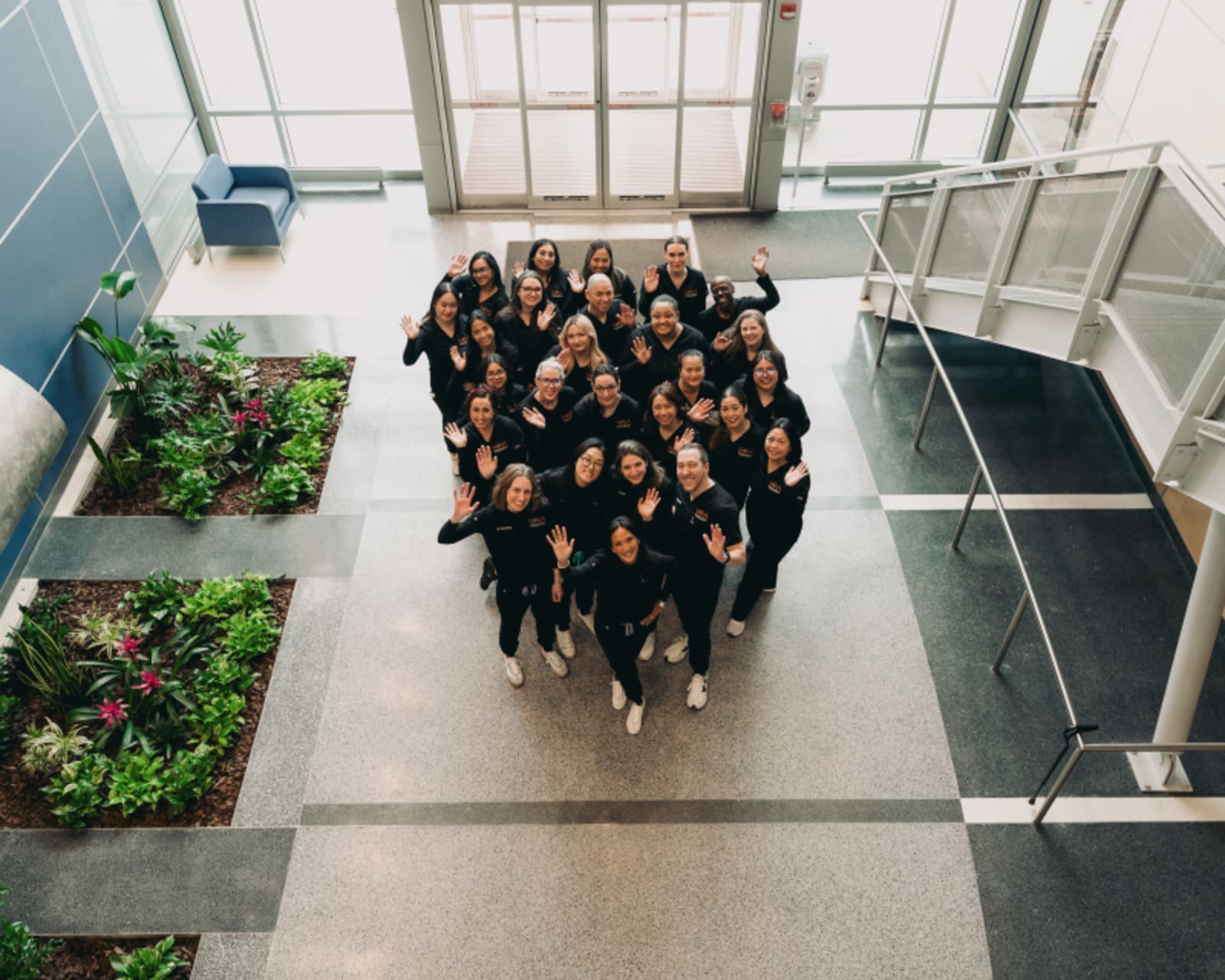
Ashburn families often ask whether it matters to have both specialties in the same practice. The difference isn't dramatic on any single day. It builds up across a decade of care.
At NOVA Pediatric Dentistry & Orthodontics, our pediatric dental and orthodontic teams work in the same office, share the same records, and talk to each other in the hallway. When Dr. Ullrich looks at a bite, the full picture is already there: how the teeth came in, when baby teeth fell out, what habits came and went, what the X-rays showed two years ago.
- Better Timing. Growth is tracked at every routine dental visit, not just at scheduled ortho checks, so the right window to act is less likely to be missed.
- Health Comes First. Cavities and gum issues should be resolved before braces go on. When both teams share a building, that happens naturally.
- Fewer Separate Trips. A cleaning and an orthodontic check can often be scheduled together rather than on two different days at two different offices.
- Familiar Faces. A child who has been comfortable here since age two doesn't feel like they're walking into a new place when it's time for braces.
Twenty years in Ashburn means we've watched kids grow up here and come back as adults with their own children. One place, from the first tooth to the last retainer check.
How to Choose an Orthodontist for Your Child: Questions Worth Asking
You're right to take your time with this decision. It's a multi-year relationship and a real financial commitment, and worrying about being pushed into unnecessary treatment is completely understandable. Here are some questions worth asking at any practice you visit:
- Is the orthodontist a specialist? Orthodontists complete two to three years of extra training focused only on teeth and jaw alignment, after dental school. Ask where they trained and when. At Nova Pediatric Dentistry & Orthodontics, Dr. Ullrich earned her DMD at the University of Pennsylvania and her orthodontic certificate at Montefiore Medical Center.
- Does "no treatment needed" ever happen here? If every child who walks in needs to start something right away, that says more about the practice than the patients. A good orthodontist will tell you clearly when waiting is the right call.
- What are the other options, including doing nothing? There is usually more than one reasonable path. You deserve to hear the pros and cons of each.
- Is the fee in writing, with what's included and what isn't? Ask whether records, retainers, and repairs are part of the quoted total or billed separately.
- Who actually does the adjustments? Practices divide work between doctors and assistants differently. It is a fair question to ask.
- How are problems handled between visits? Think about a loose bracket on a Friday night or a lost aligner before a trip. Find out what the process is.
- Is a second opinion welcome? Any orthodontist confident in their plan will say yes without hesitation. Getting one is completely normal, especially when the recommendation involves extractions, surgery, or early treatment.
Also pay attention to how your child is treated during the visit. Does the doctor speak to them directly? Do questions get real answers? Does anyone seem rushed? That interaction gives you a good sense of what the next two years will feel like.
Ready to Find Out Where Your Child Stands?
If your child is around seven, or something here matched what you've been noticing at home, a quick evaluation gives you a real answer. Dr. Woo, Dr. Ullrich, and the team at NOVA Pediatric Dentistry & Orthodontics will walk you through what they find and what it means for your child. Sometimes that answer is simply "come back in a year," and that's a perfectly good outcome.
We're at 21785 Filigree Court, Suite 208 in Ashburn, Monday through Friday. Call us at (703) 729-7005 and we'll find a time that works for your family.